


Seasonal river cleanups could be a new community conservation tradition in Tucson
The Santa Cruz River may be dry but it has come alive with people who are making a seasonal river cleanup a community conservation tradition in Tucson.
Arizona’s water supplies are drying up. How will its farmers survive?
By Stephen R. Miller, Food and Water Reporting Project
Photography by Bill Hatcher
You could almost visit Arizona without noticing it was a farming state. If you flew into Phoenix in an aisle seat,...
Solar growth cushions Colorado River hydropower declines
Lakes Mead and Powell, the basin’s two largest reservoirs, are approaching critical levels in which hydropower from their dams (Hoover and Glen Canyon, respectively) would be severely curtailed or altogether cease.

Arizona’s future water shock
Smaller cities. Soaring water prices. Scorched desert towns.
Crisis on the Colorado Part I: The West’s Great River Hits Its Limits– Will...
As the Southwest faces rapid growth and unrelenting drought, the Colorado River is in crisis, with too many demands on its diminishing flow. Now those who depend on the river must confront the hard reality that their supply of Colorado water may be cut off.

A Mexican water expert on what Arizona can learn from Hermosillo
As severe water scarcity becomes an increasingly real and dire prospect for Arizona, looking south to Sonora offers important insight.
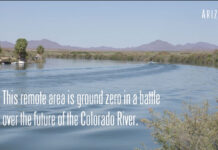
Video: Selling water
Should Colorado River water be used to grow alfalfa or subdivisions in the Phoenix metropolitan area?
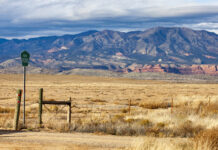
Massive energy storage project eyed for Four Corners region
BECLABITO, N.M. – Standing in a breezy parking lot on Navajo land in the state’s far northwest corner, Tom Taylor looked toward the western horizon and then upwards at...
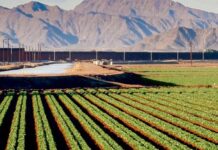
Unsafe yield
Severe drought, dead wells and political division push Arizona steadily closer to water supply peril.
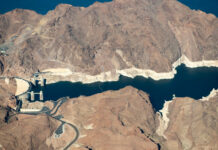
Crisis on the Colorado Part II: On a Water-Starved River, Drought Is the New...
With the Southwest locked in a 19-year drought and climate change making the region increasingly drier, water managers and users along the Colorado River are facing a troubling question: Are we in a new, more arid era when there will never be enough water?