

In Colorado’s North Fork Valley, Bill McKee has been selling off his herd of cattle. A combination of drought and increased hay costs put the seasoned Western Slope rancher in a bind.
“All of my friends have had to buy hay, sell cows, or a combination of both. I’ve elected to sell cows,” McKee said. At age 73, he’s been in the ranching business for decades, but the inflated cattle market combined with a lack of irrigation water made this year extremely tough.
In a typical summer, McKee relies on pivot irrigation for his ranch. His source of water is Paonia Reservoir, which was hit hard and early by dwindling snowpack and heavy agricultural demand. Most other farmers and ranchers in the area also depend on the reservoir, which is now down to its “inactive” pool zone at less than 2% capacity, prompting the nearby Town of Paonia to implement stricter water restrictions.
McKee wasn’t alone in having to make difficult decisions about selling off his herd. Many of his fellow North Fork Valley ranchers were in a similar situation. “Nobody got more than a 50% hay crop in the entire upper North Fork of the Gunnison drainage,” McKee said. That area includes towns like Paonia, Hotchkiss, Crawford, and Delta.
For Colorado ranchers, drought is not just a weather event; it is an economic event. Deciding the right time to buy and sell always requires planning, strategy, and a hint of luck. But dry conditions like the region experienced this spring and summer make agricultural decisions much more difficult and crucial. The high cost to grow and transport hay, limited access to water, and rising cattle prices all converged this year, leading many ranchers to liquidate their herds. The effects could be felt in the foreseeable future.
“A year like this pushes you to make more dramatic changes if you want to survive,” said Greg Peterson, executive director of the Colorado Ag Water Alliance. “If changes are made too late, it’s a high price to pay.”
Factors influencing the sale
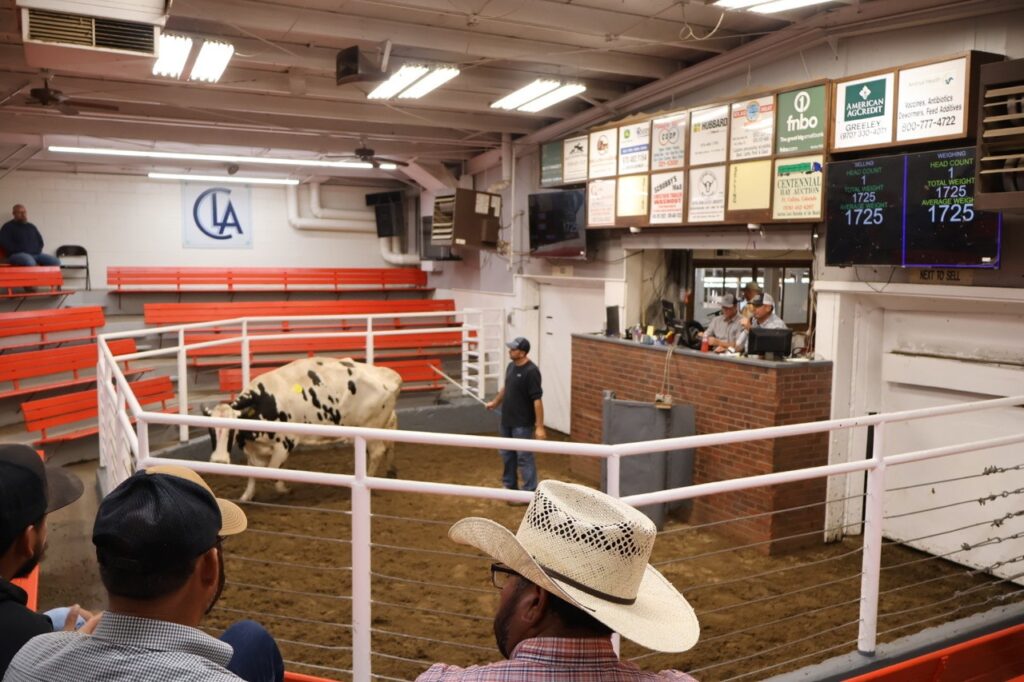
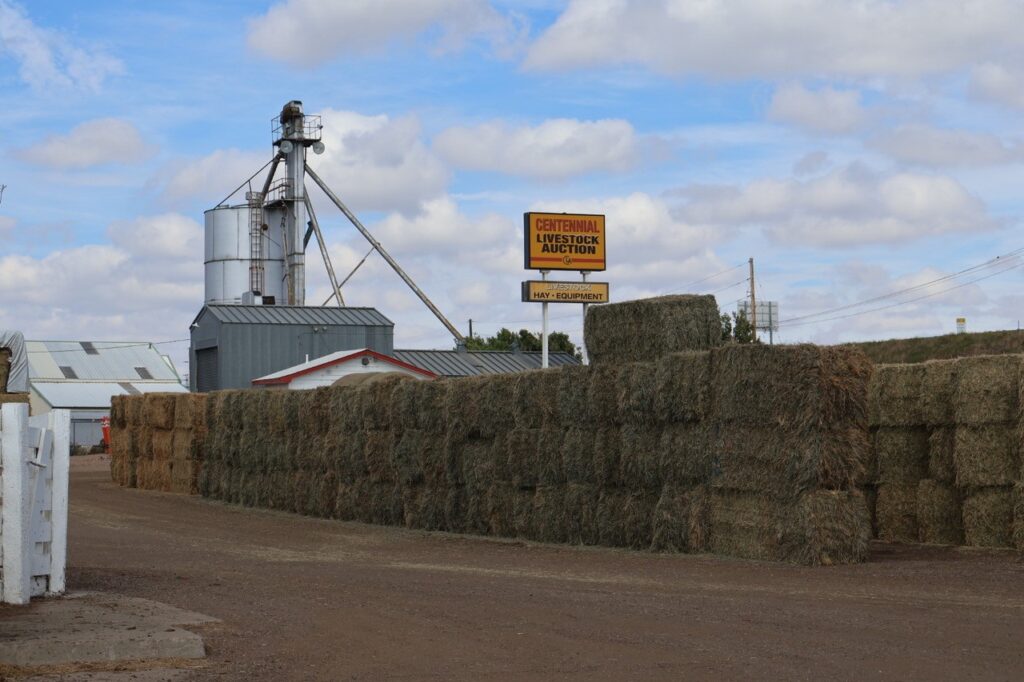
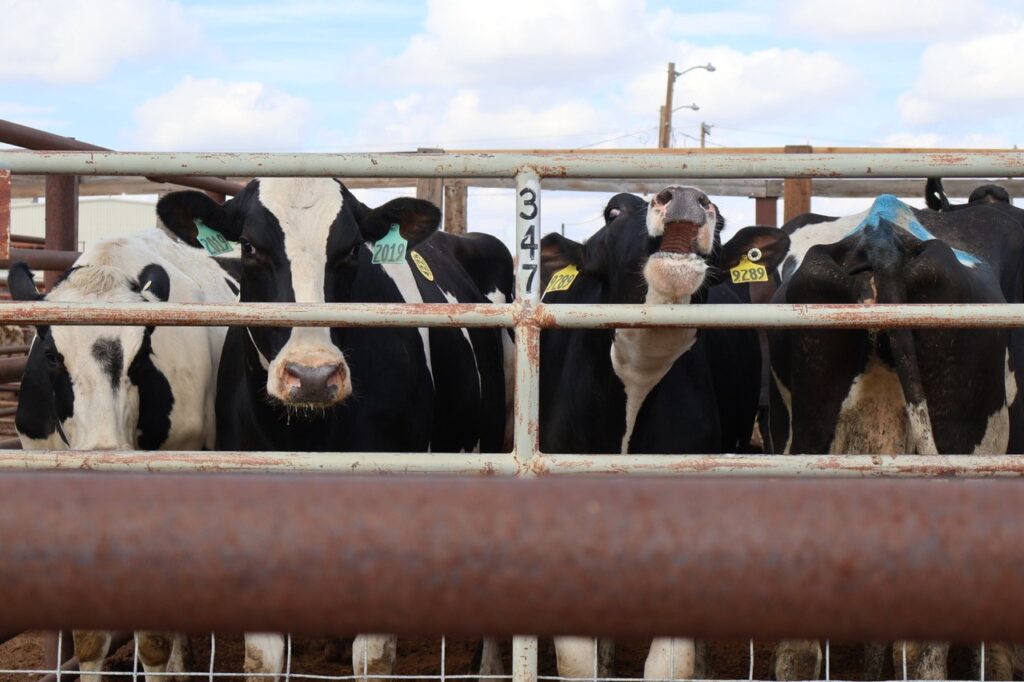
This past summer’s lingering hot and dry conditions continue to be felt across Colorado’s farm communities. On the other side of the Continental Divide from McKee’s operation, cattle ranchers recently gathered at Centennial Livestock Auction in Fort Collins. Every Friday, trucks and stock trailers line up in long rows across the dirt parking lot.
The attendees are a mix of locals from country roads a couple of miles away and ranchers who have driven from nearby states such as Nebraska, Kansas, and Wyoming. Inside the auction house, an auctioneer takes bids from both the seated crowd and online participants, who can attend the auction virtually. Wooden bleachers surround the sale ring, where bidders get a close-up look at the animals.
For buyers and sellers, this year has presented a unique cattle market catalyzed by drought. Prices at the Centennial Livestock Auction are experiencing a stark tug-of-war between a long-term supply shortage and immediate drought-forced liquidations. According to the US Department of Agriculture, cattle numbers are at a 75-year low, raising prices to historic highs.
Water scarcity has been a driving force across Colorado farms and ranches this year, Peterson said. He helps ranchers obtain grants so they can fund operation improvements during periods of drought. During parts of the irrigation season, “even the most senior water rights and ditches are seeing cuts,” he said. For example, the Uncompahgre Valley Water Users Association which includes farms near Montrose, Delta and Olathe, experienced 50% cuts this season. The Dolores Project supplies water to a large 7,700-acre farm and ranch enterprise run by the Ute Mountain Ute Tribe in southwestern Colorado, and has received only 10% of their allocated agricultural water.
For a typical cattle ranching operation, the summer is a time when the herd can be moved to permitted federal land, which leaves the rancher with the ability to irrigate fields for a late summer harvest that will keep the herd fed through the winter. This year went quite differently, according to Peterson. Ranchers started irrigating as early as March as temperatures shot up, and even then, access to water was a challenge.
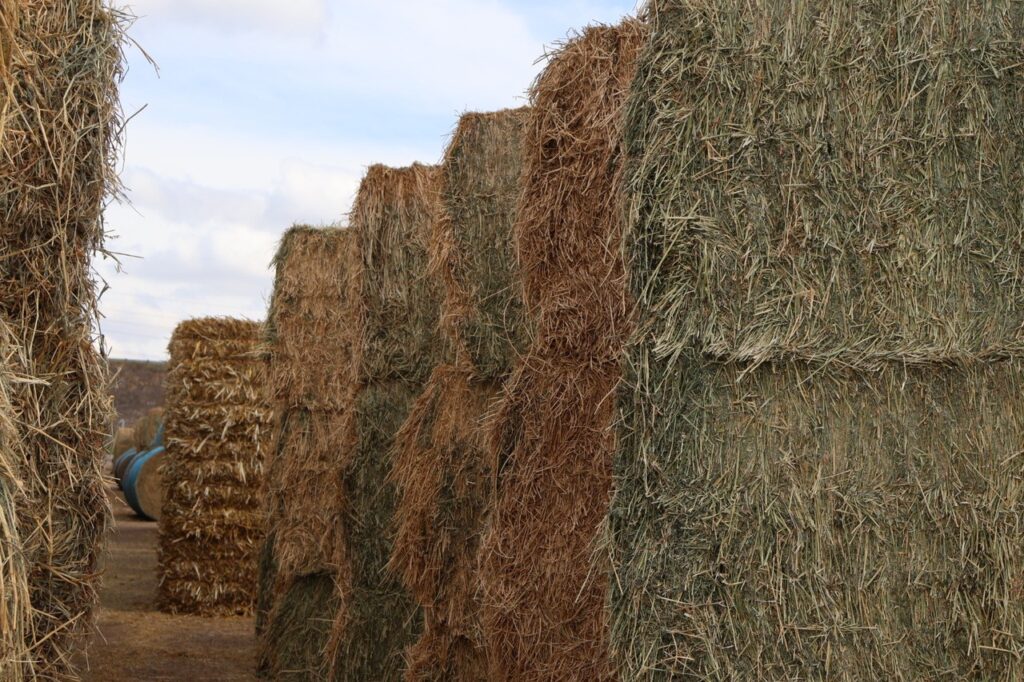
That dry, hot summer has resulted in elevated feed prices this fall. Many ranchers are facing limited grass in their pastures, meaning they have to get hay trucked in. For some, the prices for hay are too high to make a profit, and selling off cattle is the only alternative to save them from starving.
Aiming to adapt
Unlike recent droughts, this year’s record-setting dry conditions were widespread. In previous dry spells, ranchers have been able to migrate their herds to other pastures that had better field conditions. That simply wasn’t an option this year.
“There is just no good place for the animals to go, which is leading to a lot of liquidation,” said Josh Ritten, Director of Grazing Land Research & Engagement for AgNext at Colorado State University. Ritten studies how lowering the number of cows in a rancher’s herd is affecting the economics of operations across the state.
With record high cattle prices, it’s easy to assume that ranchers are making lots of money. It’s more complicated than that. Ranchers are seeing high returns on a per cow basis, but there are fewer cows overall, Ritten said. The effects from drought are showing all the way down the supply chain, which results in few ranchers benefitting from the high market prices. According to Ritten, even cattle feeders are expected to break even or lose money on every animal. Feed lots have responded to the lower volumes by keeping animals longer.
Weathering it all can take a toll on an individual ranch’s bottom line.
“In the case of drought, immediate financial resources are almost nonexistent,” Peterson said. That is why it is important that ranchers have the planning tools and support to think ahead and be prepared, he said.
The Colorado State University Extension Decision Tools offer a dedicated “Buy Hay or Sell Cows” spreadsheet calculator designed to help ranchers compare the economic impacts of purchasing supplemental feed versus liquidating part of the herd during drought or low-forage periods.
Jenny Beiermann works with the Colorado Drought Advisors, a state program, as a technical advisor. She helps develop drought plans for cattle operations. The tools provided are meant to “give ranchers the navigation and support they need to make earlier and harder decisions about their herds,” she said.
The tools can be used to advise ranchers if they are deciding between trucking their cattle to a rented pasture, versus purchasing additional hay.
“Uncertainty with the future of supply and demand has always been part of the game of commodity markets, but risks are becoming much more steep with drought as a new player,” Beiermann said.
“Ranchers have been preparing for a year like this,” Peterson said. The Colorado Ag Water Alliance is receiving a call every day about improving infrastructure and practicing water conservation as ways to reduce the burden from drought.
For a rancher reducing their herd to conserve water and promote their own economic survival, the lasting generational effects can be ruinous from a genetic perspective.
“It makes it harder to sell the cows when you have had 30 generations of selection for surviving at high elevation,” McKee said. Many ranches have spent generations selecting a gene pool, and preserving coveted genetics. Having to sell and repurchase cattle in response to dry conditions causes long term damage to those operations, he said.
For Bill McKee and other ranchers facing similar decisions within the agriculture community, there is a shared acknowledgement that the reality of having to sell doesn’t signify failure.
“Drought forces ranchers to make decisions that are financially tough but ecologically necessary,” Beiermann said.
This story was produced and distributed by The Water Desk at the University of Colorado Boulder’s Center for Environmental Journalism.